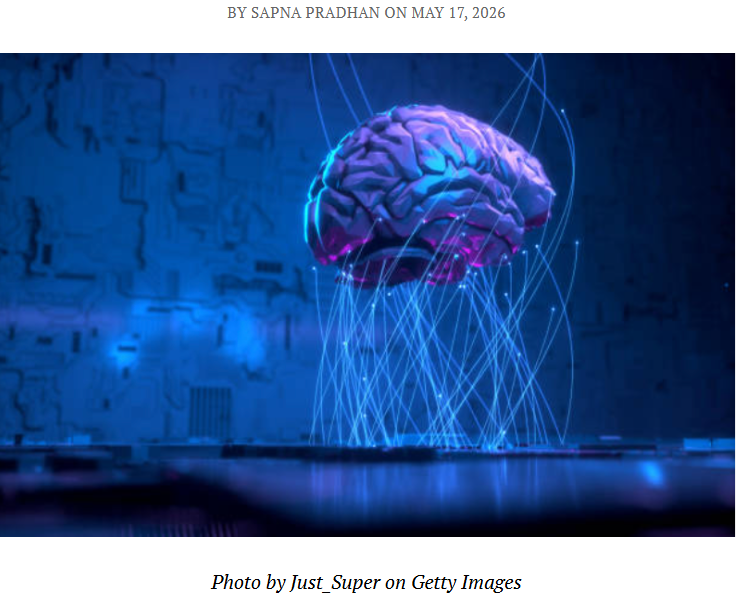
Are Brain-Computer Interfaces Moving Faster Than Ethics?
Brain-computer interfaces are moving rapidly from medical prototypes into commercial spaces—but neurotechnology regulation may not be keeping pace.
Student writing
Young people asking serious questions about education, medicine, ethics, technology, leadership, and the societies they hope to improve.
Published writing
Brain-computer interfaces are moving rapidly from medical prototypes into commercial spaces—but neurotechnology regulation may not be keeping pace.

Somewhere along the way, extracurricular activities stopped being about exploration and started becoming about competition.
In an age where information is unlimited, incomplete narratives can spread faster than understanding.

Tests are flawed but useful; the damage comes from elevating a single measurement beyond its intended purpose.

In today’s world, unlimited streaming, immediate delivery, AI support, and constant connectivity are easy to access for all. The average student has all of these available to them, but they are constantly overwhelmed, anxious, and unfulfilled, leading to the paradox of progress. Despite the levels of material comfort and technological advancement having never been higher, reported loneliness, anxiety, and dissatisfaction continue to rise. This leads to the question, why does a world designed to maximize ease feel increasingly exhausting?

In the 18th century, Jeremy Bentham designed a prison surveillance system with architectural intelligence. In this design, rings of the prison were built around a central watchtower that emitted light outwards. This allowed a single guard to observe all inmates without the inmates knowing they were being watched. His system predicted that the possibility of being watched improved and changed behavior.

Anxiety is genetic. Some people are just “wired this way.” We tend to talk about anxiety as if it’s an inheritance—an unavoidable permanency that’s quietly passed down through DNA. If your parents are anxious, you will be too. If you are “wired this way,” the best thing you can do is manage it. People will say that anxiety runs in families, and others will say people are just born anxious. This belief is strangely comforting because it clears everyone of responsibility—not parents, not schools, not society. If anxiety is genetic, then no one is really responsible for it, not parents, not schools, not society. It simply is.

Students often boast about getting by on 4 hours of sleep, pulling all-nighters, or “sleeping when they’re dead” as if it’s a power move, framing exhaustion as a badge of honor in high-achieving culture. In a classroom before a test, students compare how little they slept before the exam, while at the same time, professionals joke about living on caffeine. While success is often associated with sacrifice, sleep deprivation has quietly become a marker of status, and a dangerous one.
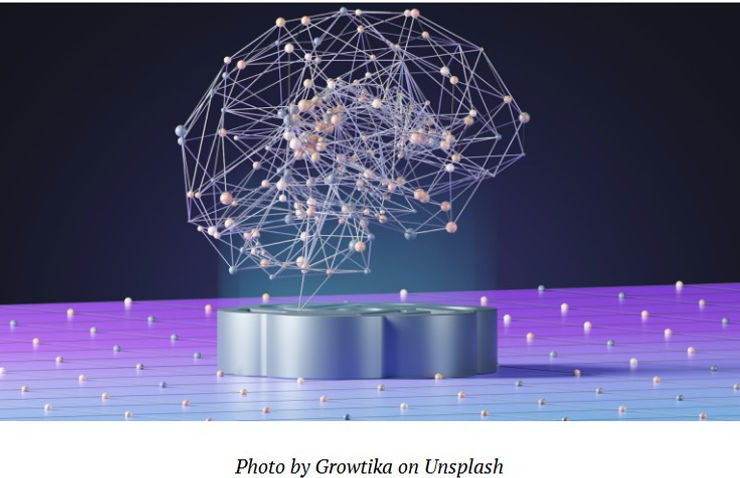
A student opens ChatGPT for an English essay to “just get started.” Within seconds, the blank page is filled. It’s faster writing, less stress, and polished results. AI feels like a miracle, but what is convenience costing us cognitively? Does this introduce cognitive debt where short-term ease creates long-term intellectual consequences?

A student can graph a parabola, but can’t explain what inflammation, deductible, or hypertension actually mean. Teens are navigating a world filled with medical misinformation, health apps, insurance systems, and online system content, yet they receive almost no formal education on health issues. Schools should treat medical literacy as a core academic subject, on par with math, English, and science, because it equips students with essential life skills, protects them from false information, and strengthens public health.

Anti-aging research has evolved from fringe science to a serious medical field backed by pharmaceutical giants and academic labs. These technologies promise not only longer lives, but healthier ones as well. However, they raise deep ethical unease about accessibility.

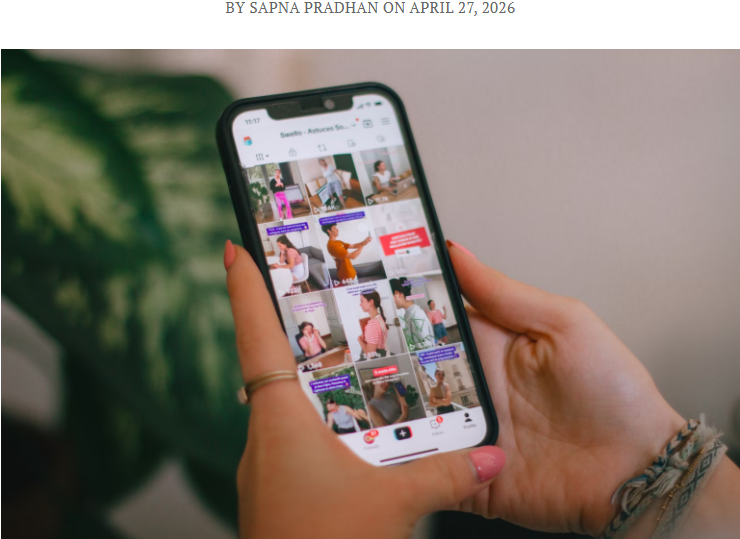
TikTok and Instagram idealize minimalist traits that seem composed and clean, pressuring many young women to try to emulate them. Instead of fostering self-compassion, it leaves many girls anxious about their looks and extremely self-critical.

Competitive academic environments cause students to prioritize their grades over learning due to systemic pressures and future opportunities that are tied to a simple letter.

CRISPR can rewrite the human story, but only if we write the rules first.

We must prioritize truth over trends.

Stem cells aren’t the problem; it's the way they are manipulated and hyped.

As a brand new Freshman at UC Berkeley, CA, scrolling through my phone in September 2025, I stumbled across something incredible happening halfway across the world in my ancestral homeland of Nepal. The Gen Z kids there, basically people my age, had started a movement that’s honestly inspiring. It all kicked off when the Nepali government tried to block social media apps on September 4, claiming it was for “security.” But those teens weren’t having it. Instead of getting angry or giving up, they poured into the streets of Kathmandu and Pokhara with signs, songs, and a quiet kind of strength that made the world take notice. By September 8, their peaceful protests had pushed out corrupt leaders, paving the way for a new interim government. Watching their livestreams, I felt like I was witnessing history. It was a reminder that young people can change things without raising fists, just hearts.
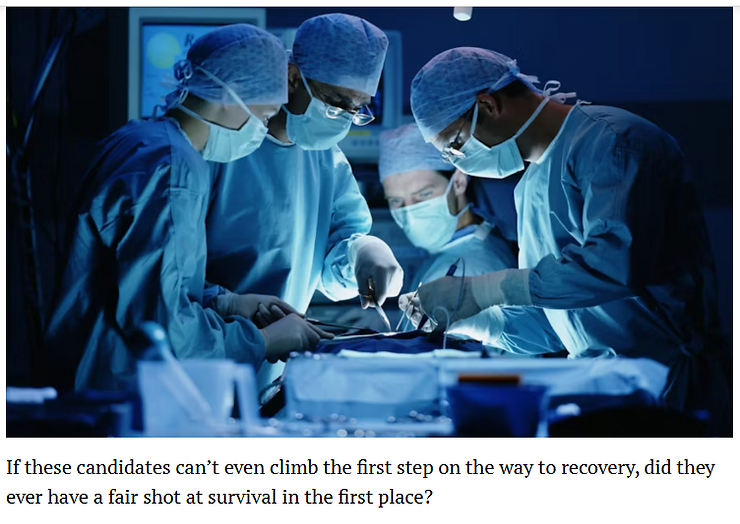
A student perspective advocating for modern healthcare to reach hard-to-reach communities.
Continue listening